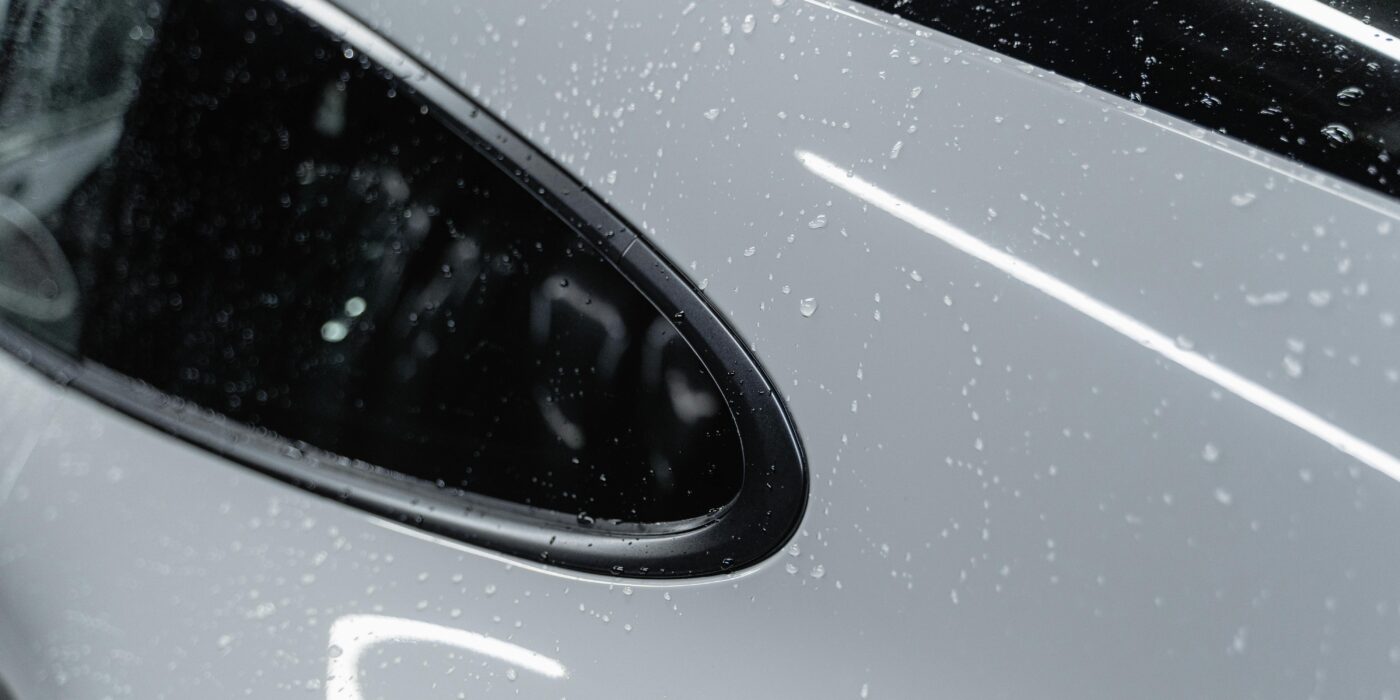

Your car is more than just a mode of transportation; it’s an investment, a statement, and for many, it holds sentimental value. The paint job plays a crucial role in your vehicle’s aesthetics and its resale value. Yet, how often do we think about protecting that shiny exterior? Car paint protection might seem like an afterthought until the first scratch or swirl appears. But here’s the kicker: safeguarding your car’s finish right from day one can lead to remarkable long-term benefits. Let’s dive into why early intervention in car paint protection not only preserves that showroom shine but also saves you time and money down the road.
The importance of protecting your car’s paint
car paint protection for new car paint is more than just a color; it’s its first line of defense. Every day, your vehicle faces environmental threats like UV rays, bird droppings, tree sap, and road debris. These elements can cause significant damage over time.
A well-maintained exterior not only enhances aesthetics but also preserves resale value. Potential buyers often notice paint condition before anything else. Investing in protection means safeguarding that investment.
Moreover, the right protective measures can reduce the frequency of washes and detailing required to keep your car looking sharp. This saves you both time and money in the long run.
Neglecting paint protection invites premature aging and wear. Scratches or fading may become irreversible issues that compromise your vehicle’s appeal. It makes sense to prioritize this aspect of car ownership for longevity and visual impact.
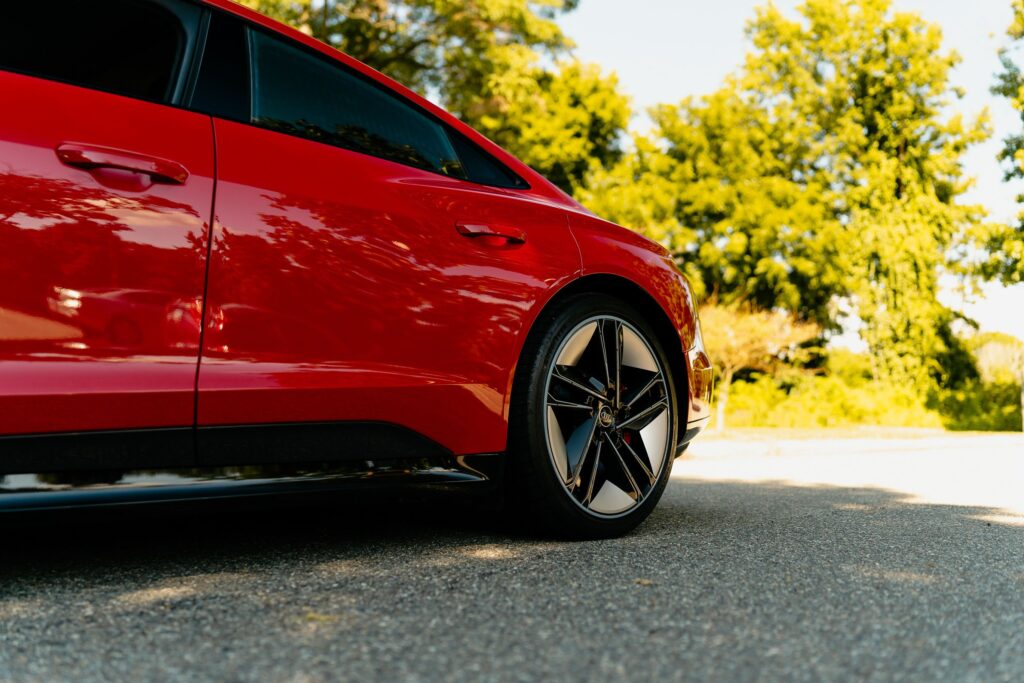
Benefits of early car paint protection
Applying paint protection early offers a multitude of advantages. First, it shields your vehicle from environmental factors like UV rays and bird droppings. These elements can fade or damage the finish over time.
Early protection also helps maintain resale value. A well-kept exterior attracts potential buyers, making your car more appealing when it’s time to sell or trade in.
Moreover, applying protective coatings allows for easier maintenance. Dirt and grime have a harder time adhering to protected surfaces, meaning less frequent washes are required.
Another significant benefit is enhanced gloss and shine. A fresh layer of protection ensures that your car looks new for longer periods.
Acting sooner rather than later can prevent costly repairs down the line. Scratches and chips become problematic if left unprotected; addressing them early with paint protection mitigates risks effectively.
Different methods of car paint protection
There are several effective methods for car paint protection, each with its unique advantages.
One popular choice is ceramic coating. This liquid polymer bonds to the vehicle’s surface, providing a durable layer that resists scratches and UV damage. The shine it adds is often stunning.
Another option is paint sealants. These synthetic products create a protective barrier over your car’s finish. They can last several months and provide excellent beading properties against water.
For those seeking a more traditional route, wax still holds value. Natural waxes offer a deep gloss while shielding against environmental contaminants, though they require more frequent reapplication.
Paint protection films (PPF) are an innovative solution. These clear vinyl wraps shield areas prone to chips and scratches without altering the vehicle’s appearance.
Each method has its own set of benefits tailored to different needs and preferences in car care.
Comparison of results between early and late car paint protection
When comparing the results of early and late car paint protection, the differences become clear. Early application often leads to a more pristine finish over time. Cars that receive protection shortly after purchase tend to maintain their gloss and shine much longer than those treated later.
Late applications may still offer some benefits, but they cannot fully reverse the damage already done by environmental factors. Swirl marks, scratches, and oxidation can linger on older paint surfaces despite protective treatments. The level of bonding between the protective layer and existing paint diminishes as time goes on, leading to less effective coverage.
Moreover, early protected vehicles typically see increased resale value compared to those without such foresight. Buyers are more attracted to cars with well-maintained exteriors free from blemishes or fading.
In essence, the timing of your car’s paint protection can significantly impact its appearance and longevity. Investing in this service at an early stage not only enhances visual appeal but also contributes positively toward long-term maintenance costs. Prioritizing timely care for your vehicle pays off in multiple ways down the road.