
As the chill of winter sets in, horse owners face a unique challenge: keeping their equine companions warm and comfortable. Just like us, horses need protection from biting winds and frigid temperatures. That’s where winter horse rugs come into play. These essential accessories not only shield your horse from the elements but also help maintain their health and well-being during the colder months.
Navigating the world of winter horse rugs can be daunting with various options available on the market. With proper knowledge about different types, materials, and insulation levels, you can make informed decisions that best suit your horse’s needs. Let’s dive deeper into understanding these vital pieces of gear to ensure your four-legged friend stays cozy all season long.
The Importance of Using Winter Horse Rugs
horse winter rugs play a crucial role in ensuring your horse’s comfort and health during cold months. As temperatures drop, horses can struggle to maintain their body heat. Proper insulation is vital.
Using winter rugs helps regulate temperature, reducing the risk of hypothermia. Horses are naturally equipped with thick coats, but extreme conditions can overwhelm them. Rugs provide an added layer of protection against biting winds and freezing rain.
Moreover, these blankets can prevent weight loss by keeping horses warm and allowing them to conserve energy. When a horse is comfortable, it’s more likely to eat well.
In addition to warmth, winter rugs also shield against mud and moisture when turned out in wet fields. This minimizes skin issues like scratches or infections that can arise from prolonged exposure to damp environments.
Investing in high-quality winter rugs supports not just physical well-being but also overall happiness for your equine friend.
Types of Winter Horse Rugs: Blankets, Sheets, and Neck Covers
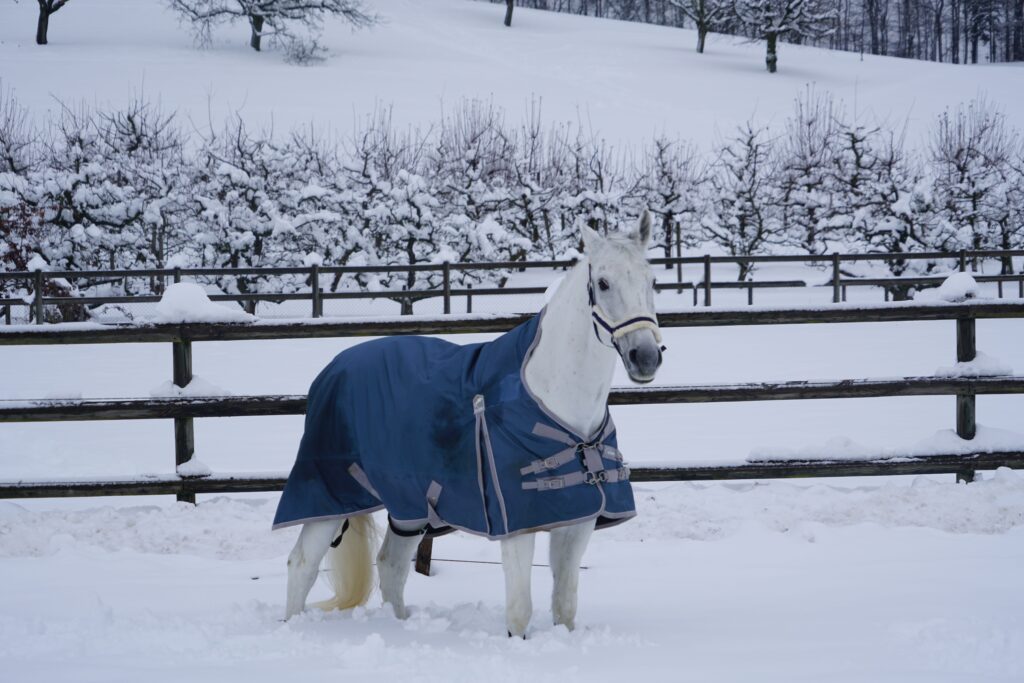
When it comes to winter horse rugs, not all options are created equal. Blankets are a popular choice for their warmth and coverage. They come in various weights, allowing you to select the perfect level of insulation for your horse’s needs.
Sheets offer a lighter alternative. These are excellent when temperatures fluctuate or during milder winter days. They provide protection against wind and light rain without adding too much bulk.
Neck covers serve as an essential addition to your winter rug arsenal. They attach seamlessly to blankets, providing extra warmth for the neck area where horses can easily lose heat. This added layer ensures that your equine friend stays cozy even on the coldest days.
Choosing the right combination of these types ensures optimal comfort and protection throughout the chilly months ahead.
Weight and Insulation Levels of Winter Horse Rugs
When choosing winter horse rugs, weight and insulation are key factors. Each horse has unique needs based on breed, age, and health.
Rugs come in various weights: lightweight, mediumweight, and heavyweight. Lightweight options offer protection from chill without overheating. They’re ideal for milder weather or horses that tend to run warm.
Mediumweight rugs balance warmth with comfort. Perfect for average winter conditions, they provide ample insulation while remaining breathable.
Heavyweight rugs cater to the coldest climates. These are packed with insulation materials designed to retain body heat effectively. They suit horses living outside during harsh winters or those requiring extra warmth due to health concerns.
Understanding these weights allows you to select the best fit for your equine friend’s comfort and well-being this season.
Materials Used in Winter Horse Rugs and Their Benefits
When it comes to winter horse rugs, the materials used play a crucial role in their effectiveness and longevity. Many rugs are made from synthetic fabrics like polyester or nylon, which are durable and water-resistant. These materials help keep your horse dry during rainy conditions while also providing excellent breathability.
Another popular option is wool. Wool has natural insulating properties, making it an ideal choice for colder temperatures. It helps regulate body heat and wick moisture away from your horse’s skin, ensuring comfort throughout chilly days and nights.
Additionally, some rugs include a waterproof outer layer combined with insulated linings. This design not only keeps horses warm but also protects them from wind chill—which can be particularly harsh during winter storms.
It’s worth noting that many modern winter rugs feature reflective strips or bright colors for visibility in low-light conditions. Safety should always be a priority when caring for our equine companions.
Choosing the right material ultimately depends on your specific climate needs as well as your horse’s individual preferences. Understanding these options allows you to select an effective rug that will provide warmth without compromising comfort or mobility for your horse this winter season.