
Selecting the right machinery for your projects can feel like navigating a complex maze. Whether you’re venturing into construction, agriculture, or manufacturing, the choices can be overwhelming. Each project type requires specific tools and equipment to ensure efficiency and success. The stakes are high; using the wrong machinery could lead to delays, increased costs, or even safety hazards.
Understanding what you need starts with recognizing the unique demands of each project type. With so many factors at play—like terrain conditions, scale of operation, and technological requirements—making an informed decision is crucial. This guide will walk you through essential considerations in selecting machinery tailored for various projects while addressing maintenance needs and budgeting strategies that keep everything on track. Let’s get started!
Understanding the Different Types of Projects
Every project comes with its own set of challenges and requirements . Understanding the nuances between them is key to selecting appropriate machinery from Sunstate equipment hire.
Construction projects often demand heavy equipment like excavators, cranes, and bulldozers. These machines are designed for durability and power, ideal for shaping landscapes and erecting structures.
On the other hand, agricultural projects focus on cultivating land and harvesting crops. Tractors, seed drills, and combine harvesters play a vital role here. Their efficiency can significantly impact yield outcomes during peak seasons.
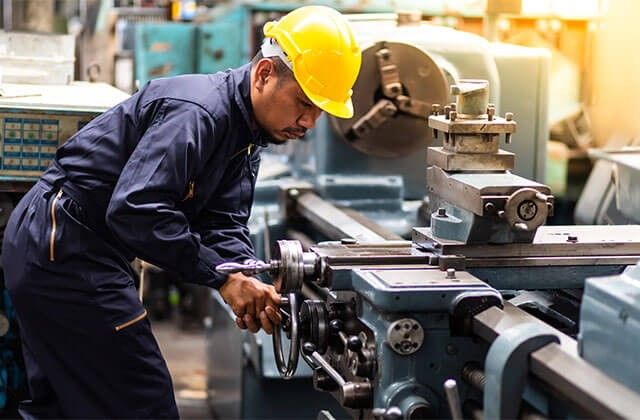
Manufacturing projects require precision tools tailored to specific tasks—think conveyor belts or CNC machines. Here, accuracy is paramount in transforming raw materials into finished products.
Recognizing these differences sets the foundation for informed machinery choices that align with your project’s goals and demands.
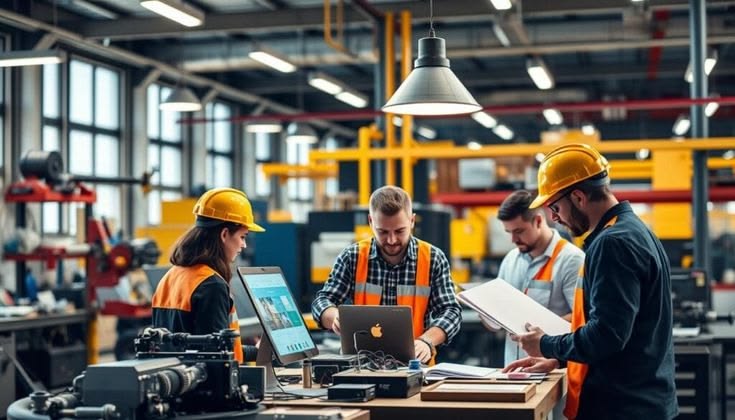
Factors to Consider When Selecting Machinery
Selecting the right machinery is crucial for project success. Start with understanding the specific requirements of your task. Different projects demand different capabilities, so assess what you need.
Consider the size and scale of your operation. Larger tasks may require heavy-duty machines, while smaller jobs might only need compact equipment.
Next, think about technology features. Advanced machinery can offer efficiency and precision, but it’s essential to ensure that you or your team can operate it effectively.
Don’t overlook fuel type and consumption rates either. Some machines are more cost-effective in terms of energy use than others.
Check the availability of parts and service support in your area. Quick access to repairs can save time and reduce downtime on critical projects.
Selecting Machinery for Agricultural and Farming Projects
Choosing the right machinery for agricultural and farming projects can significantly impact efficiency and productivity. Each type of farm work demands specific equipment tailored to its unique requirements.
For tilling, a reliable tractor is essential. It can handle various attachments like plows or harrows, making it versatile across different tasks. When planting seeds, seed drills ensure precision and uniformity, leading to better crop yields.
Irrigation systems are equally important in maintaining soil health. Drip irrigation conserves water while delivering nutrients directly to the roots. For harvesting, combines streamline the process by efficiently cutting and separating grains from chaff.
Don’t overlook the importance of compatibility with existing equipment too. Ensuring that new machinery integrates well with what you already own saves time and reduces costs associated with additional training or modifications.
Maintenance and Safety Considerations for Machinery
Maintenance is crucial for ensuring machinery operates efficiently. Regular checks can prevent unexpected breakdowns that lead to project delays. Simple tasks like oil changes and filter replacements go a long way in extending the life of your equipment.
Safety should always be a priority when operating machinery. Operators need proper training to handle equipment correctly, minimizing risks associated with misuse or accidents.
Using personal protective equipment (PPE) is essential on site. Helmets, gloves, and eye protection are just as important as maintaining your machines.
Establishing a regular maintenance schedule helps spot potential issues before they escalate into costly repairs or hazardous situations. Keeping detailed records of inspections will also aid in compliance with safety regulations.
Remember that safe operations contribute not just to employee well-being but also boost overall productivity on any project.
Budgeting and Financing Options
When it comes to selecting machinery for your projects, budgeting and financing play a crucial role. It’s essential to assess not only the initial purchase price but also the long-term costs associated with owning and operating that machinery.
Start by determining your budget. This includes upfront costs as well as ongoing expenses like maintenance, fuel, insurance, and potential repairs. Consider how much you can afford without stretching your finances too thin.
Leasing is an attractive option for many businesses. It allows access to the latest technology without the hefty price tag of outright purchases. With leasing, you can upgrade equipment more frequently than if you buy outright.
If buying is your preference, explore financing options through banks or specialized lenders. Many manufacturers offer financing plans that may provide competitive rates or even incentives for first-time buyers.
Don’t overlook used machinery either; it often presents significant savings while still meeting project requirements effectively. Just be sure to evaluate its condition thoroughly before committing.
Balancing these financial factors will help ensure that your choice in machinery aligns not just with project needs but also with sustainable business practices moving forward. A sound decision today sets a solid foundation for future endeavors in any industry.