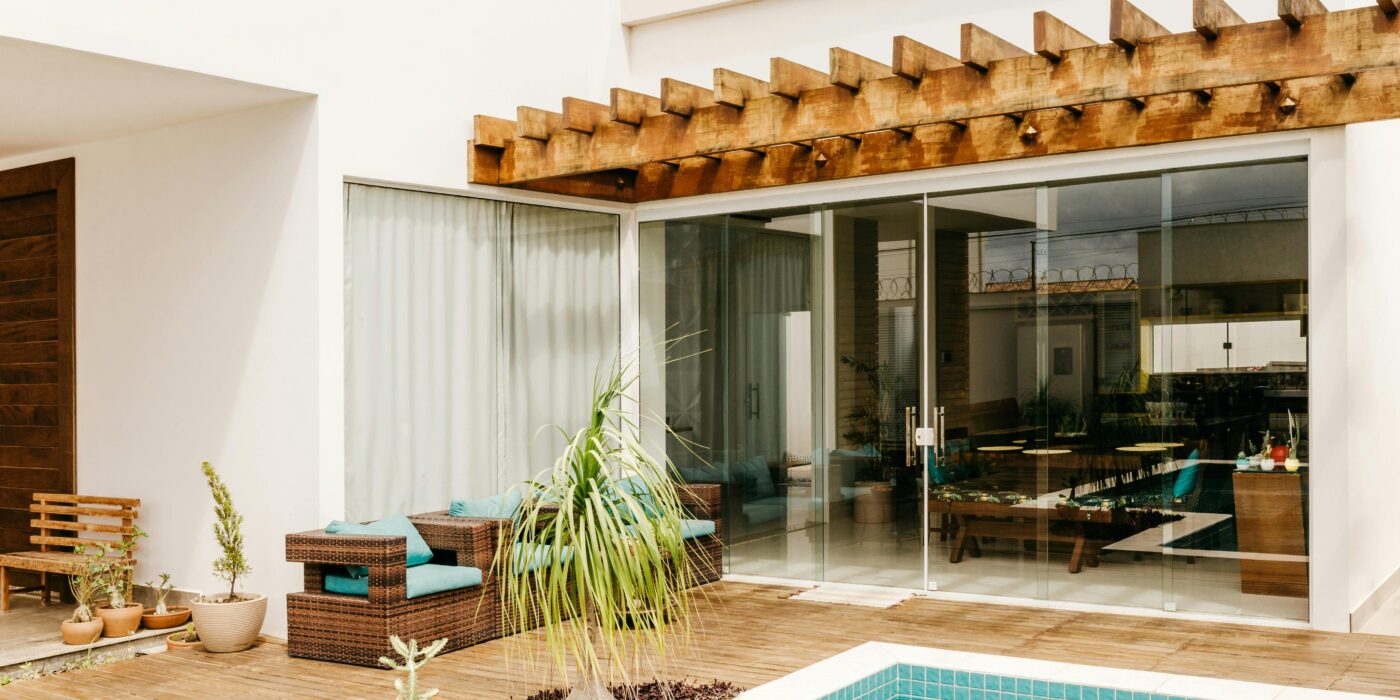

Looking to make a splash in your backyard? Choosing the right pool type can elevate your outdoor space while ensuring durability and style. Whether you envision diving into an elegant in-ground oasis or relaxing beside an above-ground retreat, the options are as diverse as they are exciting. Each pool type comes with its unique set of benefits and challenges that cater to different tastes and lifestyles. Dive in with us as we explore these options, helping you find the perfect balance between aesthetics and longevity for your swimming sanctuary!
In-Ground Pools Pros and Cons
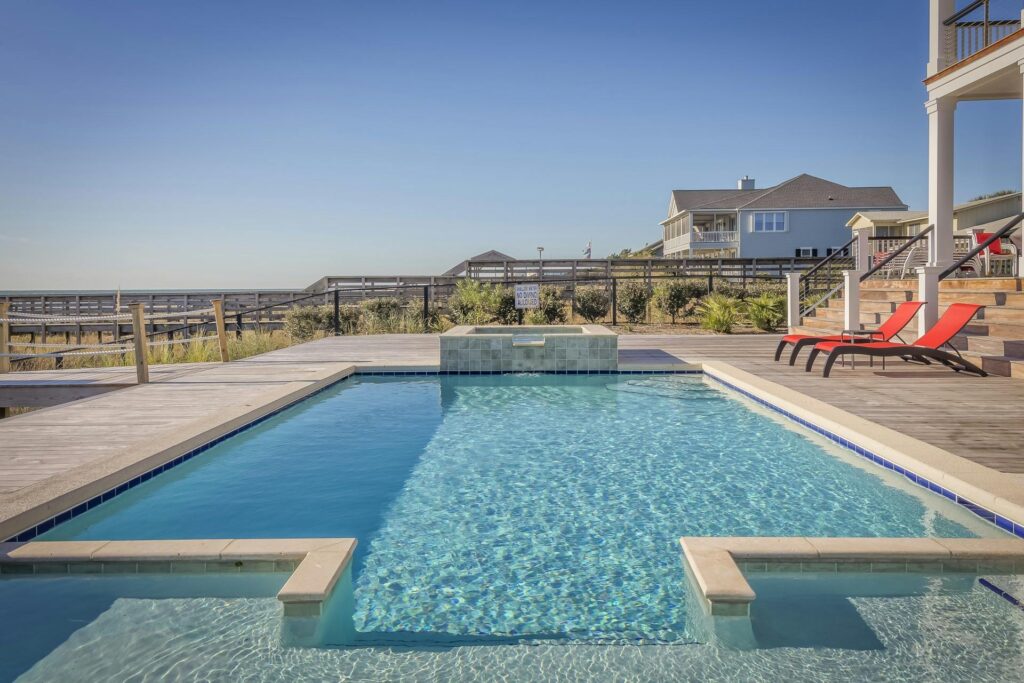
In-ground pools are often regarded as the gold standard for backyard luxury. Their permanence adds a touch of elegance to any outdoor space, making them visually appealing.
One major advantage is customization. You can choose various shapes and sizes, tailoring it to fit your yard perfectly through concrete swimming pool construction techniques. The installation process may take time, but the results are worth the wait.
However, with great beauty comes significant investment. In-ground pools generally require higher upfront costs than their above-ground counterparts. Maintenance can also be demanding, involving regular upkeep of filters and surfaces.
On top of that, they may not offer as much flexibility in terms of relocation if you decide to move. Once installed, you’re committed to the location and design you’ve chosen for years to come. This decision should reflect both lifestyle needs and personal style preferences.
Above-Ground Pools Pros and Cons
Above-ground pools offer an affordable entry point for homeowners seeking summer fun. They are typically less expensive than in-ground options, making them a popular choice for budget-conscious families.
Installation is quick and easy. Many companies provide kits that allow DIY enthusiasts to set up their pool without needing professional help. This convenience can be a major selling point.
However, durability may not match that of in-ground pools. While modern above-ground pools have improved significantly, they might not withstand harsh weather conditions over time.
Aesthetic appeal can also vary. Some designs look sleek, while others may seem more temporary or less integrated into the yard’s landscape.
Maintenance is relatively simple but requires regular attention to keep the water clean and safe. Above-ground pools strike a balance between affordability and practicality for many households looking to enjoy warm days splashing around.
Fiberglass Pools Pros and Cons
Fiberglass pools are a popular choice for many homeowners. They come pre-formed, which simplifies the installation process. This can save time and reduce labor costs.
One major advantage is their durability. Fiberglass is resistant to cracking and fading, making it an excellent long-term investment. With proper care, these pools can last for decades.
Maintenance is another plus. The smooth surface of fiberglass makes it difficult for algae to grow, reducing the need for harsh chemicals. Cleaning is generally easier compared to other pool types.
However, there are some downsides. The initial cost can be higher than above-ground options or vinyl liners. Additionally, customization might be limited due to their pre-shaped nature.
It’s essential to weigh these factors carefully when considering your perfect pool solution.
Vinyl Liner Pools Pros and Cons
Vinyl liner pools offer a unique blend of affordability and customization. One of the standout benefits is their cost-effectiveness compared to other in-ground options. You can install a vinyl pool without breaking the bank, making it an attractive choice for budget-conscious homeowners.
Customization is another major advantage. Vinyl liners come in various colors and patterns, allowing you to create a pool that matches your style perfectly. Additionally, they can be shaped into almost any design, giving you flexibility when planning your backyard oasis.
However, there are some downsides to consider as well. Vinyl liners typically need replacement every 5-9 years, which adds maintenance costs over time. They may also puncture or tear more easily than concrete or fiberglass surfaces if not cared for properly.
Another factor to keep in mind is temperature control; vinyl tends to retain heat less effectively than other materials like fiberglass or concrete pools do. This could mean cooler water temperatures during those chilly evenings.
Every pool type has its strengths and weaknesses; understanding these elements will help you make an informed decision tailored to your needs and preferences.