

Good work is not often only about the final surface. In busy Sydney businesses where the hot water unit is utilised all day, the result typically decides how long it remains useful. For facility managers and business owners who demand consistency, the better approach is one that connects the visible output with the hidden conditions that make it possible.
The benefit of zip hot water service sydney comes when a system that becomes inconvenient when filters, parts or performance are overlooked is handled with enough care. Things to consider during the process include filter replacements, flow checks, temperature consistency, tap condition, leak inspection, sanitising and planned maintenance to ensure that the accomplished job does not generate another problem later.
Seeing the full picture
A good solution starts with context. The identical request can have distinct meanings in different houses, cars, rooms, streets or routines. The work is more accurate if the provider understands these variances and doesn’t respond with a standard answer when a customised solution is needed.
More Than Speed Is a Solution
A smart process should minimise surprises. The provider and client have a deeper knowledge of what is going on by servicing the equipment before minor defects disrupt the workplace. It also makes easier to adapt if you notice a new detail in the course of job.
The Human Side of Practical Work
The best fit is frequently felt rather than stated. It seems that when movement is easier, the routine is simpler, and the work that is done does not need to be looked at all the time. This is why planning should not end at the first impression but think about how the result will behave over weeks and months of use.
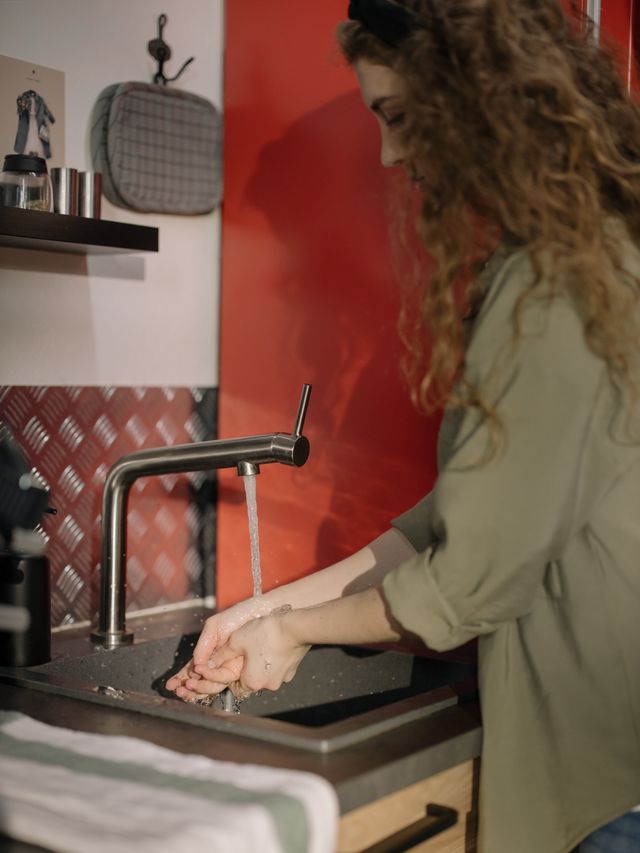
The Result Should Make Things Easier
After the work is done, people judge it by how little trouble it has caused. If it can provide dependable hot water performance, with fewer surprises, then it has answered the need in a way that still makes sense. That is better than a result which looks good for a short time only.
Simple details are usually the most useful enhancements. A latch, a wall, a wheel, a window, a bench or a timetable can alter how people see a location. When those details are done well, the whole setting feels more reliable.
One final point is how changes in the filter may affect confidence before anyone notices the whole pattern. Facility managers and business owners who require continuity are less likely to be faced with a recurring expense or a source of irritation by choosing a system that becomes inconvenient if filters, parts or performance are neglected. Here, servicing the unit before small faults interrupt the workplace becomes more than a technical step; it becomes a practical safeguard for the way the space, product or routine will be used later.
The best description will help the reader to visualise the situation in practical terms. It should demonstrate how the hectic Sydney work environments where the hot water unit is used all day provide different demands and why servicing the unit before small faults disrupt the workplace can improve the final result. That specificity grounds the decision even when the industry as a whole is known.
Another helpful perspective is accountability. It is important for people to understand why one option is recommended over another, especially when the decision impacts busy workplaces in Sydney where the hot water unit is in use all day every day. A clear explanation shields the client from vague claims and enables the provider to focus on work that can be checked, maintained and used. When the discussion is around filter changes, flow tests, temperature consistency, tap condition, leak inspection, sanitising and scheduled maintenance, the result is less about selling a service and more about making a sensible practical decision.