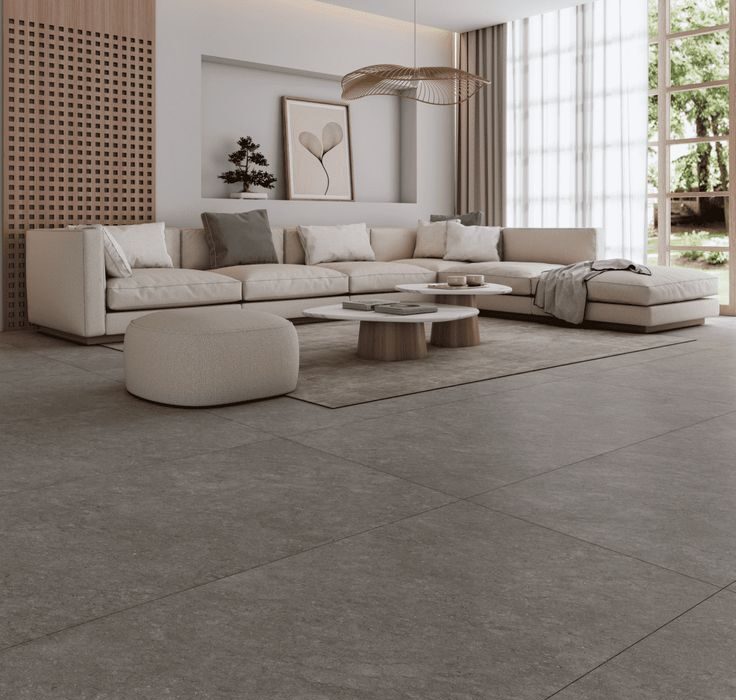

Tiles are more than just a functional element in your home; they set the tone for your entire space. They can transform ordinary rooms into extraordinary havens, adding character and style. However, with countless options available, choosing the right tiles can feel overwhelming.
It’s not just about aesthetics—durability is key if you want to maintain that fresh look over time. Whether you’re redesigning a cozy kitchen or revamping a chic bathroom, understanding how to balance style and durability will guide you towards making informed choices.
Let’s dive deep into the essential factors that should shape your tile selection process, ensuring your home reflects both beauty and resilience.
Understanding the importance of tiles in home design
Tiles play a pivotal role in home design, acting as the foundation for your aesthetic vision. They define spaces and enhance the visual flow from room to room.
Beyond aesthetics,tile shops brisbane add functionality. They are easy to clean and maintain, making them ideal for busy households. The right tile can withstand spills, moisture, and heavy foot traffic without losing its charm.
The versatility of tiles is another significant advantage. Available in various materials—ceramic, porcelain, stone—you can find options that fit any style or budget.
Moreover, they contribute to the overall ambiance of your home. A well-chosen tile can evoke warmth or create a sleek modern feel depending on its color and texture.
In essence, tiles are more than just decorative elements—they’re integral pieces shaping how we experience our living spaces daily.
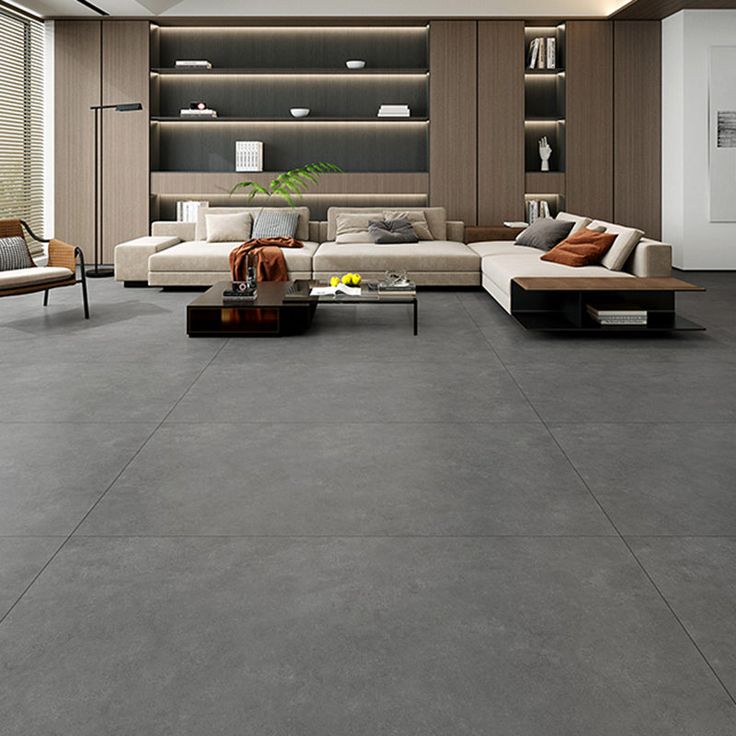
Factors to consider when choosing tiles for your home
Choosing tiles for your home involves several key factors. Start by considering the area where you’ll install them. Different spaces, like kitchens and bathrooms, may require specific types of tiles.
Next, think about tile size and shape. Larger tiles can create a sense of space but might not fit well in smaller rooms. On the other hand, intricate shapes can add character but may complicate installation.
Don’t overlook color and texture either. Lighter colors tend to brighten up a room while darker shades offer warmth. Texture contributes not only to aesthetics but also to safety—especially in wet areas.
Keep maintenance in mind. Some materials require more upkeep than others. Knowing how much time you’re willing to dedicate will guide your choices significantly and ensure lasting satisfaction with your selections.
The balance between style and durability in tile selection
Finding a balance between style and durability is crucial when selecting tiles. After all, these surfaces not only enhance the aesthetic appeal of your home but also endure daily wear and tear.
Stylish options often catch the eye with their vibrant patterns or sleek finishes. However, beauty should never overshadow the need for resilience. A tile that chips easily won’t stand the test of time.
Consider materials like porcelain or ceramic; they blend elegance with strength effortlessly. These choices offer various designs while ensuring longevity in high-traffic areas.
Natural stones like granite can add sophistication but may require more maintenance than man-made alternatives. Choosing wisely means weighing your lifestyle against design preferences.
It’s about envisioning how each tile will perform over years while contributing to your home’s unique character. Prioritizing both aspects leads to a satisfying selection process that resonates with practicality and flair.
Popular types of tiles and their pros and cons
Ceramic tiles are a popular choice for many homeowners. They come in various designs and colors, making them versatile for any room. However, they’re prone to chipping and can be slippery when wet.
Porcelain tiles offer increased durability compared to ceramic. They’re denser and less porous, which makes them ideal for both indoor and outdoor use. Still, their weight can make installation more challenging.
Natural stone tiles like granite or marble exude elegance but require regular maintenance to prevent staining. Their beauty comes at a price—both financially and in upkeep.
Vinyl tiles have gained popularity due to their affordability and ease of installation. They’re available in numerous styles that mimic natural materials but may not hold up as well over time.
Glass tiles bring a unique flair with their reflective qualities. While they add visual interest, they can be fragile and typically cost more than other options.
Best tile options for high-traffic areas
When it comes to high-traffic areas in your home, choosing the right tile is essential for both aesthetics and functionality. You want something that can withstand wear while still looking good.
Porcelain tiles are a top choice. They’re incredibly durable and resistant to scratches and stains. Plus, they come in a variety of styles that mimic natural stones or even wood. This versatility allows you to maintain an elegant look without compromising on strength.
Ceramic tiles also offer great options for busy spaces. They’re easy to clean and maintain, making them perfect for kitchens or bathrooms where spills happen often. While not as tough as porcelain, quality ceramic tiles can handle foot traffic well.
Natural stone like slate or granite adds a luxurious touch but requires more care due to their porous nature. However, when sealed properly, they perform admirably in entryways or living rooms where elegance meets function.
Vinyl tiles have gained popularity too—especially luxury vinyl planks (LVP). They combine style with practicality at an affordable price point. Resistant to moisture and easy on the feet, they’re ideal for homes with pets or kids running around.
Choosing the right tile for high-traffic areas doesn’t mean sacrificing design; it’s about finding what works best for your lifestyle while maintaining visual appeal. The key lies in balancing durability with aesthetic choices so every space feels inviting yet resilient against everyday use.