

Tattoos can be a beautiful form of self-expression, but sometimes what once felt like the perfect choice turns into something you want to erase. Whether it’s a faded design, an impulsive decision, or simply a change in personal taste, tattoo removal is becoming increasingly common. But removing ink from your skin isn’t as simple as flipping a switch; there’s a whole recovery process involved that requires time and care.
Understanding this journey can make all the difference in how smoothly things go for you. Ready to dive into what comes next? Let’s break down each step of the tattoo removal recovery process so you know exactly what to expect—and how to take care of your skin along the way.
Understanding the Recovery Process
Tattoo removal is a journey, and understanding the recovery process is key to achieving the best results. After your treatment, your skin will need time to heal, and it’s important to know what happens as your body responds. Following a guide to tattoo removal healing stages can help you recognize each phase of recovery, manage aftercare properly, and support your skin as it gradually heals and the tattoo fades over time.
Immediately after the procedure, you may experience redness and swelling. This is normal and usually subsides within a few days. The ink particles in your skin are being broken down by laser energy, triggering an inflammatory response.
During recovery, keep an eye on how your skin reacts. Blistering can occur but shouldn’t last long. Proper care helps minimize risks of infection or scarring.
Stay hydrated and maintain a balanced diet; this supports healing from within. Avoid direct sun exposure as UV rays can hinder recovery progress and lead to unwanted pigmentation changes in treated areas.
Listening to your body during this phase promotes faster healing while ensuring optimal tattoo fading outcomes.
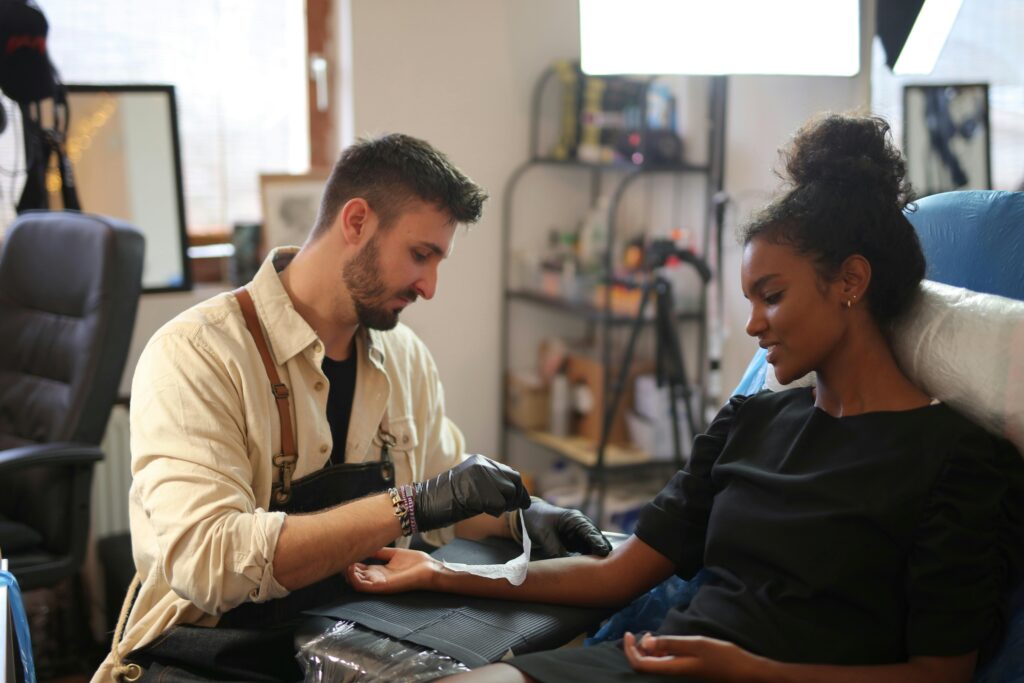
Preparing for Tattoo Removal Recovery
Preparing for tattoo removal recovery is key to a smooth healing process. Start by consulting with your dermatologist or tattoo removal specialist. They can provide personalized advice and answer any lingering questions.
Before the procedure, gather essential supplies. Stock up on gentle cleansers, moisturizers, and bandages. These items will help keep the treated area clean and protected as it heals.
It’s also wise to avoid sun exposure before your session. Sunburned skin can complicate recovery and increase discomfort. If you must be outdoors, use sunscreen with high SPF on unprotected areas.
Mentally prepare yourself for changes in routine during recovery. You may need to adjust your activities based on how you feel post-treatment. Being ready can ease anxiety about the journey ahead.
The First Few Days What to Expect and How to Care for Your Skin
The first few days after your tattoo removal session can be both exciting and nerve-wracking. Your skin will undergo changes as it starts to heal, so understanding what to expect is crucial.
Initially, you might notice some redness and swelling around the treated area. This is normal but should settle down within a couple of days. Keep an eye on any unusual signs like excessive pain or pus, which could indicate an infection.
Caring for your skin during this time is essential. Follow your technician’s aftercare instructions closely. Gently clean the area with mild soap and lukewarm water, patting it dry instead of rubbing.
Moisturizing is key in these early stages. Apply a fragrance-free ointment recommended by your practitioner to keep the skin hydrated without clogging pores. Avoid sun exposure; use SPF if you must go outside.
Stay away from tight clothing that may irritate the area and limit activities that could cause sweat or friction until you feel more comfortable.
Managing Pain and Discomfort During Recovery
Managing pain and discomfort during recovery is crucial for a successful tattoo removal experience. After your procedure, it’s normal to feel some level of discomfort in the treated area. Understanding how to cope with this can make a significant difference.
First, follow your practitioner’s aftercare instructions closely. They may recommend using ice packs on the affected area to reduce swelling and alleviate pain. Apply them in intervals—15 minutes on, 15 minutes off—to avoid irritation.
Over-the-counter pain relievers such as ibuprofen or acetaminophen can also be effective for managing mild pain. Always consult with your healthcare provider before taking any medication, especially if you have underlying health conditions or are on other medications.
Keeping the area clean and moisturized is essential too. Use gentle cleansers that won’t irritate your skin, followed by an antibiotic ointment as advised. This helps prevent infection and promotes healing while minimizing discomfort.
Remember that everyone’s body reacts differently to tattoo removal procedures; what works well for one person might not work for another. Stay in tune with your own feelings and adjust accordingly.
Don’t hesitate to reach out to your tattoo removal specialist if you feel excessive pain or notice unexpected symptoms during recovery. It’s important to keep an open line of communication so they can provide guidance tailored specifically for you.
Embracing patience during this process will lead you toward clearer skin—and ultimately a more satisfying outcome from your tattoo removal journey.