
Everyday life is filled with conveniences powered by electricity. From the moment you wake up to that gentle hum of your alarm clock to when you settle in for a movie at night, electricity plays an integral role. But have you ever paused to think about how safe your electrical system really is? Electrical safety checks are often overlooked until something goes wrong, but just like any other maintenance task in your home, these checks are crucial. They ensure not only the efficiency of your systems but also the safety of everyone under your roof. Let’s delve deeper into why scheduling regular electrical safety checks should be a priority for every homeowner.
The Importance of Regular Electrical Safety Checks
Regular electrical safety checks are crucial for maintaining a safe home. They help identify potential hazards before they escalate into serious issues.
Over time, wear and tear can lead to faulty wiring or outdated systems. Regular inspections from mcintosh electrical safety inspection guide catch these problems early, ensuring your electrical system operates efficiently.
Moreover, safety checks enhance energy efficiency. Identifying inefficient appliances or wiring can lower your electricity bills while minimizing environmental impact.
These assessments also provide peace of mind. Knowing that your home’s electrical system is up to code allows you to focus on what truly matters—your family and daily life without constant worry about potential dangers lurking behind the walls.
Additionally, regular checks ensure compliance with local regulations. This is especially important if you plan any renovations or upgrades in the future. Adhering to codes can save you from hefty fines later on.
Potential Dangers of Neglecting Electrical Safety Checks
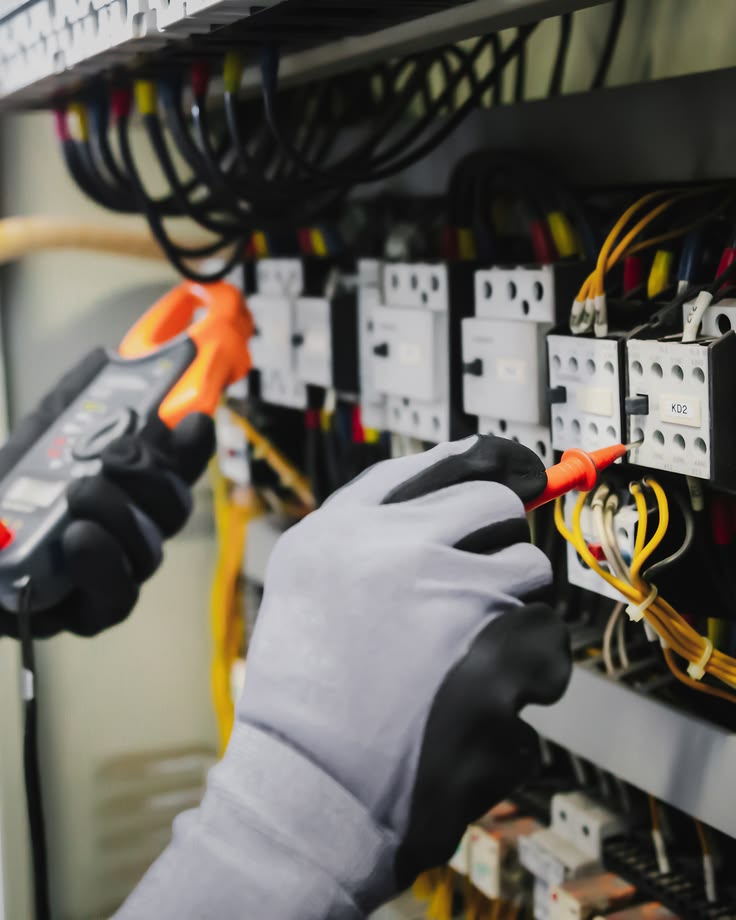
Neglecting electrical safety checks can lead to serious hazards. Faulty wiring, outdated circuits, and worn-out appliances increase the risk of fires. Each year, thousands of homes face devastating losses due to preventable electrical fires.
Overheating connections may cause sparks that ignite nearby materials. This isn’t just a possibility; it’s a reality for many families who overlook routine inspections.
Moreover, unaddressed issues can lead to electric shocks or even electrocutions. A simple malfunction can turn deadly without warning.
Hidden problems often remain undetected until it’s too late. Regular checks help identify potential dangers before they escalate into emergencies.
Ignoring these assessments also impacts your insurance coverage. Many policies require proof of regular maintenance in case you file a claim related to electrical accidents.
The risks are significant and should never be underestimated or ignored by homeowners or businesses alike.
How Often Should You Schedule an Electrical Safety Check?
Determining how often to schedule an electrical safety check depends on several factors, including the age of your property and its electrical system. For homes older than 25 years, a thorough inspection every three years is advisable.
If you’ve recently renovated or added new appliances, consider getting checked sooner. Changes in usage can increase wear on your wiring and circuits.
For newer properties, a safety check every five years may suffice. Still, routine checks are essential if you notice flickering lights or tripped breakers more frequently than usual.
Commercial spaces typically require more frequent assessments due to higher energy demands and stricter regulations. Annual inspections help ensure compliance with local codes.
Erring on the side of caution is always best when it comes to electrical safety. Regular checks keep everyone safe while preventing costly repairs down the line.
The Process of an Electrical Safety Check
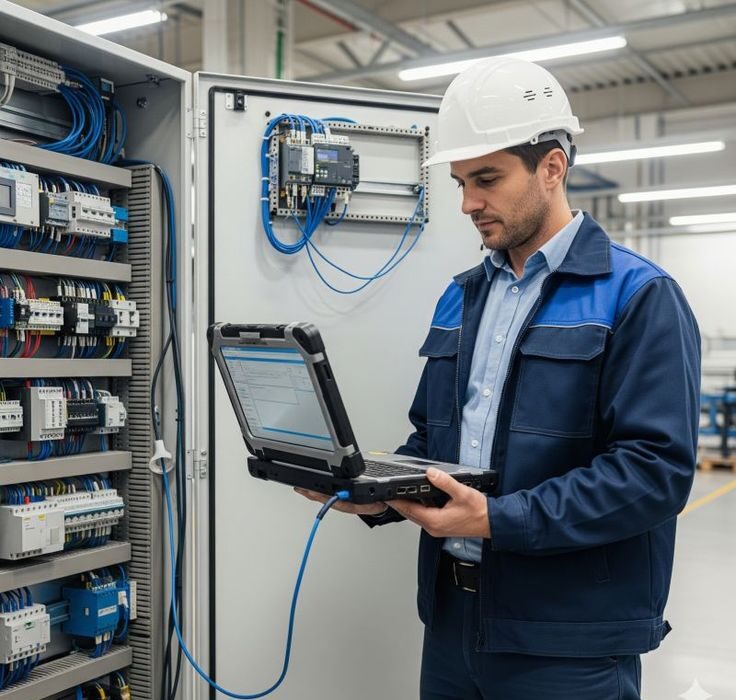
The process of an electrical safety check typically involves several key steps to ensure your home or business is safe. First, a qualified electrician will assess the overall condition of your wiring and electrical systems. This includes checking the main service panel, outlets, switches, and any visible wiring.
Next, they will test for proper grounding and bonding. These are critical components that help prevent electrical shocks and damage to appliances. The electrician may also inspect circuit breakers for wear or malfunction.
Additionally, they’ll look for signs of overloading in circuits. Overloaded circuits can lead to overheating and potential fires if not addressed promptly. It’s essential that all devices connected to these circuits are functioning correctly.
Furthermore, smoke detectors and carbon monoxide alarms will be checked as part of the evaluation. Ensuring these devices work properly is vital for immediate alertness in case of emergencies.
After completing their inspection, the electrician should provide you with a detailed report outlining any issues found along with recommendations for necessary repairs or upgrades. Addressing any identified problems immediately can save you from more significant headaches down the line.
Scheduling regular checks ensures peace of mind while protecting both lives and property from unexpected dangers associated with faulty electrical systems.