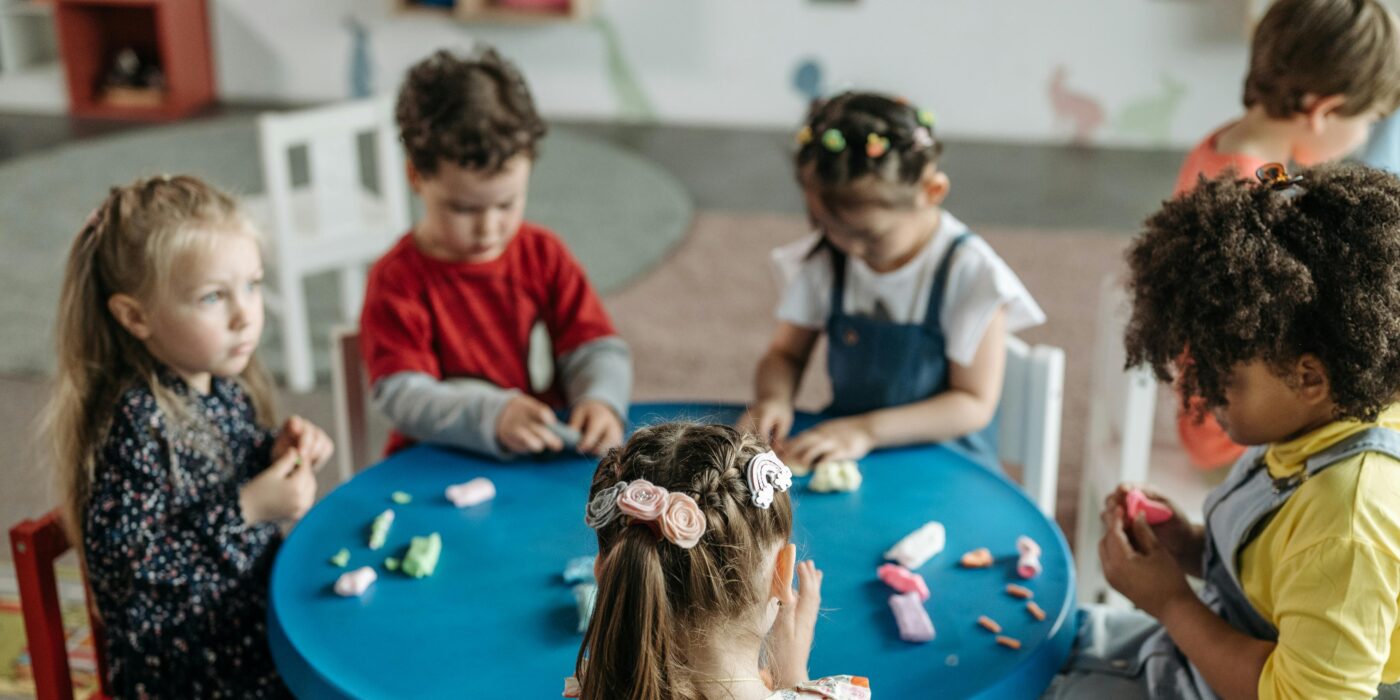

Education is a journey that begins early in life. For young learners, the first steps into this world of knowledge are crucial. The experiences they have shape their attitudes toward learning for years to come. Yet, many traditional educational methods can feel rigid and uninspiring. This often leads to disengagement and disinterest among children.
Imagine walking into a classroom filled with laughter instead of silence, where curiosity drives exploration rather than rote memorization. Making education fun isn’t just an idea; it’s essential for nurturing a love of learning from a young age. Let’s dive into why infusing joy and creativity into education matters so much for our future generations!
The drawbacks of traditional educational methods
Traditional educational methods often rely heavily on rote memorization. This approach can stifle creativity and discourage critical thinking. Students might find themselves disengaged, merely going through the motions without truly understanding the material.
Moreover, these methods typically emphasize standardized testing. Such a focus can create unnecessary pressure on young learners and lead to anxiety about performance rather than fostering a love for learning. Incorporating learning books can help shift the focus toward understanding and enjoyment.
The rigid structure of traditional classrooms may not accommodate diverse learning styles. Every child has unique strengths, yet many are forced into a one-size-fits-all model that overlooks their individual needs.
There is limited room for collaboration in traditional settings. Learning thrives in environments where students can interact with peers, share ideas, and learn from each other’s perspectives—elements often absent in conventional classrooms.
Incorporating play and creativity into learning
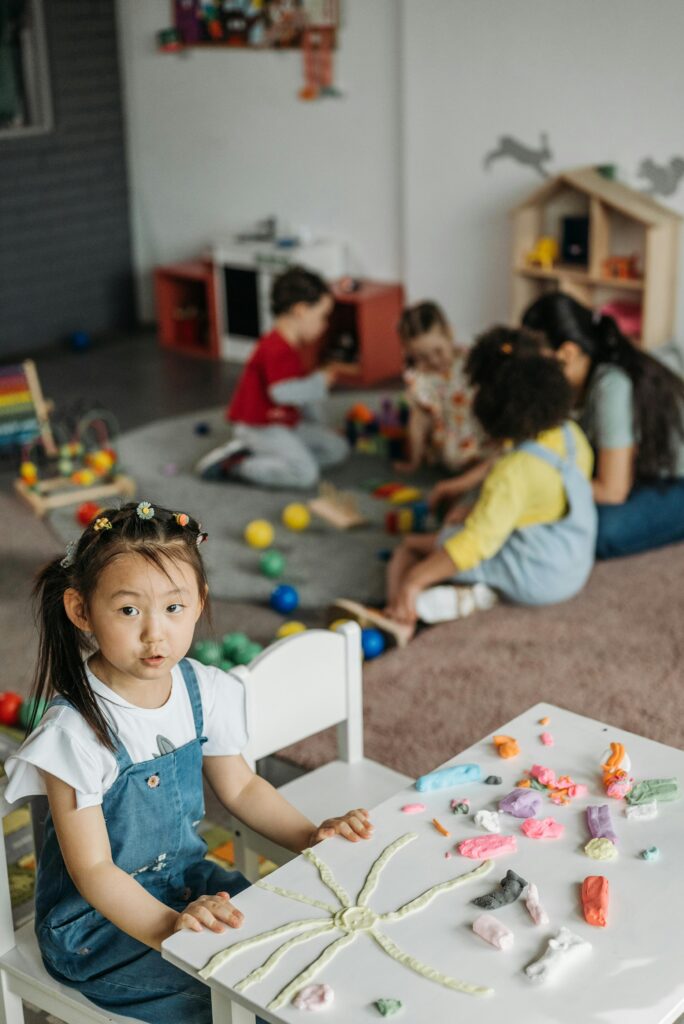
Incorporating play into learning transforms the classroom experience. Instead of rigid structures, children thrive when they can explore freely.
Creative activities foster curiosity and imagination. Think art projects that tie into history lessons or role-playing scenarios for science concepts. These methods invite students to engage in a hands-on manner.
Games are another fantastic tool. They stimulate critical thinking while making education enjoyable. Consider using board games to teach math skills or storytelling games to enhance language development.
Outdoor activities also add excitement to learning. Nature walks can inspire scientific inquiries, while scavenger hunts promote teamwork and problem-solving abilities.
Allowing kids to express themselves creatively leads to deeper understanding and retention of knowledge. When education feels like fun, students become more eager participants in their own learning journeys.
Examples of interactive and engaging educational activities
Interactive learning can take many forms. Consider a scavenger hunt that teaches children about nature. Kids search for leaves, rocks, or insects while learning their names and characteristics.
Storytelling sessions with puppets bring stories to life. Children not only listen but also participate by acting out parts of the tale. This fosters creativity and comprehension in a fun way.
Art projects combined with lessons on history can ignite interest too. For instance, creating cave paintings while discussing ancient civilizations allows kids to connect more deeply with the subject matter.
Science experiments are another exciting avenue. Simple activities like making slime or growing crystals turn complex concepts into tangible experiences.
Incorporating technology through educational games adds an engaging twist. These games encourage problem-solving skills while keeping kids entertained and motivated to learn more effectively.
The benefits of making education fun for children
Making education enjoyable for young learners opens up a world of possibilities. When children are engaged and excited, they absorb information more effectively. Learning becomes less of a chore and more of an adventure.
Fun educational activities foster creativity and critical thinking skills. They encourage problem-solving in a relaxed environment where mistakes are seen as part of the learning process rather than failures. This approach builds resilience in children, equipping them with essential life skills.
Moreover, when education is fun, it nurtures a love for learning that can last a lifetime. Children who enjoy their educational experiences tend to be more motivated and enthusiastic about schoolwork. They develop curiosity about the world around them, leading to exploration beyond textbooks.
The social aspect also shouldn’t be overlooked. Interactive learning often involves collaboration with peers, promoting teamwork and communication skills—traits that are invaluable throughout life.
By prioritizing fun in education, we not only enhance academic performance but also contribute to well-rounded development in young learners. A playful approach cultivates happy minds ready to tackle future challenges head-on while enjoying every moment along the way.